Old Dogs, New Tricks

If there is one thing that those close to the payments industry know, it is that the industry is constantly evolving. We see payments getting faster and more convenient. With that said, the one thing merchants rarely see, as a part of all this growth and innovation, is shrinking cost. Payments, particularly card payments, just seem to be growing more expensive. While it is true that some portions of card acceptance, such as the fees paid to an acquirer, may be getting slimmer and more competitive, merchants still foot the bill for the most expensive component – interchange.

Interchange Fee Factors Merchants Can Influence

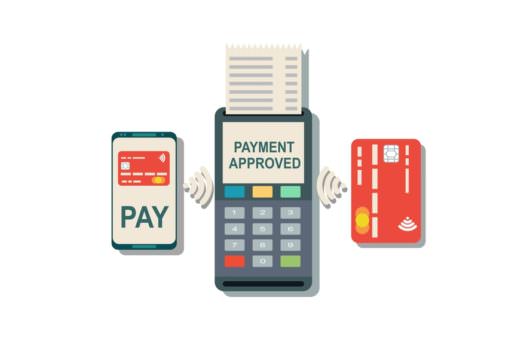
For businesses nowadays, accepting payment cards is non-negotiable. The process of a payment card transaction seems simple; a customer swipes, dips, or taps their card, receives approval, and easy as that, they are on their way with their newly purchased products or services. However, behind the scenes of this seemingly simple process, several participants are working to complete the transaction. Participants can include the cardholder, the merchant, payment card networks, issuing banks, and card acquirers, each of which can include a fee for their participation in the transaction. For corporations, who can see thousands or millions of transactions daily, the fees can quickly add up.

No truce for the reduction of card interchange fees

In November 2018, the Visa and Mastercard networks offered to reduce inter-regional multilateral interchange fees (MIFs) in Europe by at least 40% in response to the European Commission’s competition concerns. These fees apply to payments made in the European Economic Area (EEA) with consumer debit or credit cards issued outside the EEA. An example of such a payment would be an American tourist using a Visa or Mastercard card to pay for a restaurant bill in Belgium.

The Future of Cash: What You Should Consider

With the increase of card payments, mobile payments, peer to peer payments like Venmo, and cryptocurrencies, there are many theorists who believe cash is dead. However, according to Payments Journal, it is alive and thriving. The Federal Reserve reports that cash is still the preferred payment method for transactions under $25 in retail and, specifically, quick-service restaurants (QSR) according to a QSR Magazine article. Additionally, in 2018, 41.1% of QSR transactions were in cash.

Subscribe