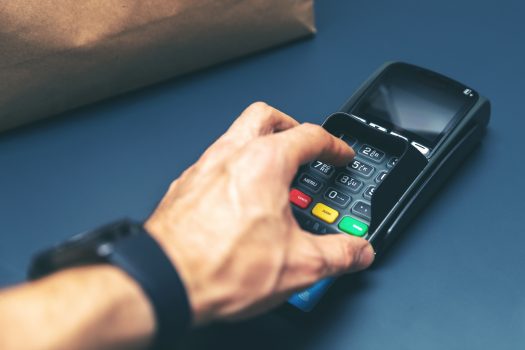

Navigating The Visa & Mastercard Class Action Settlement in 2024
On August 8, 2024, the Court granted a requested 180-day extension of the claims-filing deadline and extended the deadline to Tuesday, February 4, 2025.
On August 8, 2024, the Court granted a requested 180-day extension of the claims-filing deadline and extended the deadline to Tuesday, February 4, 2025.

With such a fast-paced and everchanging payment ecosystem, there are no providers that can cover everything a merchant may need. So, how can merchants turn this challenge into a competitive advantage? It all starts with understanding and leveraging payment architecture.
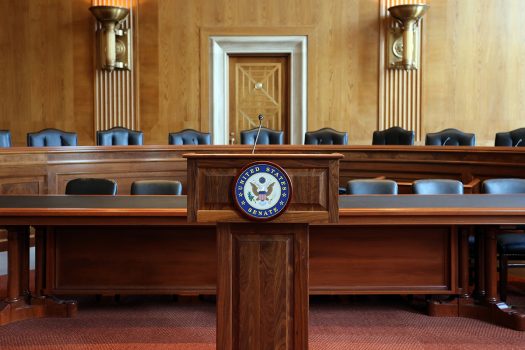
Banks and credit card companies sparred with consumer advocates and merchant representatives at a Senate hearing on interchange fees, the fees charged to merchants – and ultimately customers – for using credit cards. The hearing was led by Sen. Dick Durbin, Democrat of Illinois, with a panel of witnesses comprised of consumer advocates and executives from banks and credit card companies.
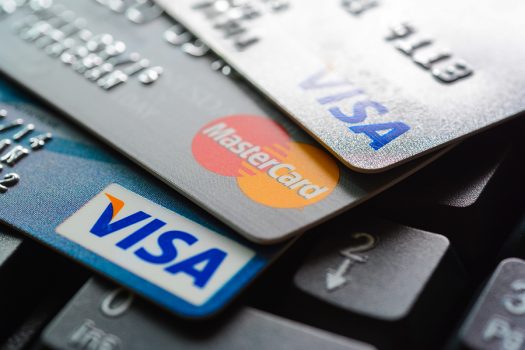
The card brands – Visa, MasterCard, Discover and American Express – make changes to their interchange rates and fees twice a year, usually in April and October, and are generally non-negotiable. This article highlights the major changes introduced in April 2022. Unless otherwise noted, all of these changes are effective 4/22/2022.
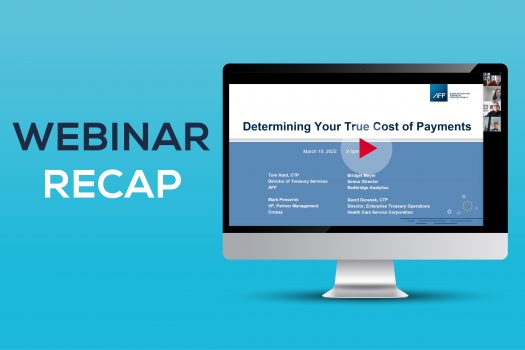
In March, Tom Hunt, Director of Treasury Services at the Association of Financial Professionals (AFP) hosted a webinar about determining the true cost of payments. He was joined by Mark Penserini (Corpay), David Deranek (Health Care Service Corporation) and Bridget Meyer (Redbridge).

“Buy Now, Pay Later”, or BNPL, is not a new concept, but it has gained more popularity now than ever before. Gabriel Lucas and Hector Galvan, from Redbridge, discuss the benefits, the drawbacks and the future of deferred payments from a retailer’s perspective.

Buy now, pay later is becoming an increasingly popular payment channel for merchants and consumers alike. As the name suggests, buy now, pay later transactions allow consumers to purchase an item and pay for it later, usually in a series of installments. While this payment channel is growing in both popularity and acceptance, there are still some questions merchants need to ask before setting up such a program of their own.

Although COVID-19 has strengthened e-commerce sales, which already experience meaningful year-over-year growth, brick and mortar retail continues to maintain relevance. According to the U.S. Department of Commerce statistics, E-commerce increased 6.8% in Q3 2021 while offline sales grew 11.5% in Q3.
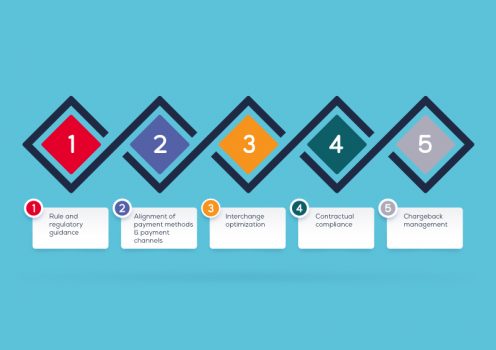
Chelsey Kukuk, Managing Director at Redbridge, gives her insights on outsourcing the payment acceptance strategy and the many benefits that come along with it.