


The Digitization of Trade Is Increasing in Velocity
How quickly will companies take advantage of the advances in trade related technology that affords them reductions in costs as well as improvements in risk mitigation?



The Rising Costs of Digital Imaging in Commercial Banking
Whether you are looking at a check image through an online banking portal, image file, DDA statement, or CD-ROM, there is a cost for each image, and the dollar amount may surprise you.

“We combine artificial intelligence with business skills to revolutionise cash flow forecasting.” Rupert Schiessl, founder of Verteego
Verteego believes that cash flow forecasts should be rethought to improve how companies are managed and increase their profitability.

Machine Learning or AI Could Perform Repetitive Patterns to Improve the Process of Cash Forecasting
Redbridge invited three international treasury professionals based in the US, UK and France to share their views on successful cash flow forecasting. In this post, Ferdinand Jahnel, VP, Treasurer at Marsh & McLennan Companies, explains how artificial intelligence (AI) could improve the process of cash forecasting.

“The complexity of international guarantees no longer prevents them from being processed digitally”, according to Malik Dahmoune, from Finelia
In November, SWIFT will release a new set of trade finance messages to facilitate paperless processing of international guarantees. The challenges for corporates lie in communicating with all their counterparties in a common language, increasing efficiency and, ultimately, having a consolidated view of their liabilities. In this interview, Malik Dahmoune, director of Finelia Trade Finance Software, explains the key points.

NACHA’s Same Day ACH Limit Increase
Effective March 20, 2020, the Same Day ACH (automated clearing house) per-transaction dollar limit will increase from $25,000 to $100,000.

“SWIFT gpi puts healthy pressure on the banks” Olivier Grandval, Louis Dreyfus Company
Olivier Grandval, treasurer at Louis Dreyfus Company, discusses how SWIFT gpi simplifies the daily work of the treasury team of his group that trades in agricultural commodities. For him, improving the traceability of cross-border payments opens up new opportunities for bank relations and cash flow forecasts.


Bankers, If You Can’t Produce a BSB, You Are Late
We have reached the tipping point in bank billing transparency globally, and it is exciting. The vision of creating a global standard for bank fee reporting started with a few individuals willing to do the work, a few large corporations willing to apply pressure, and a few global banks willing to be leaders in providing transparency to their customers.
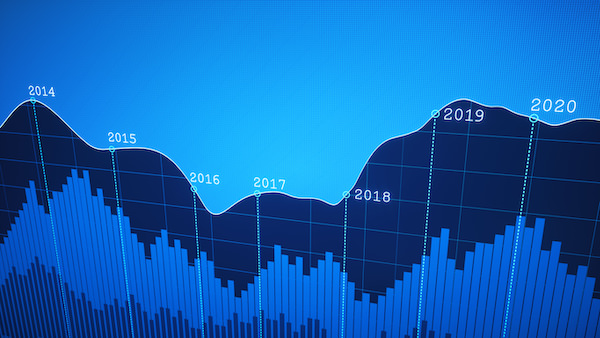
Is the Fate of Your ECR Truly Tied to the Fed Funds Rate?
When we think about how bank fees are being treated in the U.S., there is something very unique that, regardless of your company’s size, industry or banking partners, if you operate in this country, your bank fees will inevitably be tied to your operating balances through an earnings credit rate (ECR) mechanism.

Top 3 Year-end Checklist Items for Bank Fee Analysis
By the end of the calendar year (and for many of us, fiscal year-end), we have a growing mountain of tasks to complete – close the books, conduct our annual budgeting exercise, get ready for the audit, and review upcoming changes to regulations that may affect our cash.
